By Sarah Ingrams at WHICH
Vouchers for up to £5,000 are available for selected home improvements, including insulation. Find out if you’re eligible for this government grant and how to apply.

What is the Green Homes Grant? It’s a government grant for homeowners in England to help pay for certain energy efficient home improvements. Around 600,000 people are expected to benefit from the grant, which will pay at least two thirds of the cost of some energy saving renovations. The maximum amount available is £5,000, or £10,000 if you get certain benefits. Alok Sharma, the UK’s business and energy secretary, said the scheme will mean ‘hundreds of pounds off energy bills every year’. If you’re struggling to pay your gas and electricity bills, help is available. Find out about other home grants, including Cold Weather Payments and the Warm Home Discount. What does the Green Homes Grant cover? You must install either insulation or low-carbon heating to qualify for the vouchers.
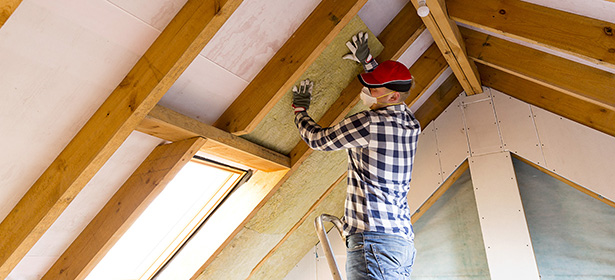
These are called ‘primary’ measures under the scheme and include: Insulation: solid wall insulation, cavity wall insulation, under-floor insulation, loft insulation, flat roof insulation, room in roof insulation, park home insulation Air-source heat pump Ground-source heat pump Solar thermal water heating You can apply for top-up insulation if you don’t already have the maximum recommended amount. But the vouchers can’t be used to replace existing insulation or low-carbon heating. To have low-carbon heating installed, your home will need to have cavity or solid wall insulation and loft insulation (where applicable). You can have these installed as part of a package.
If you install one of the improvements in the list above using the scheme, you can then also get vouchers for a ‘secondary’ energy saving measure from the list below:
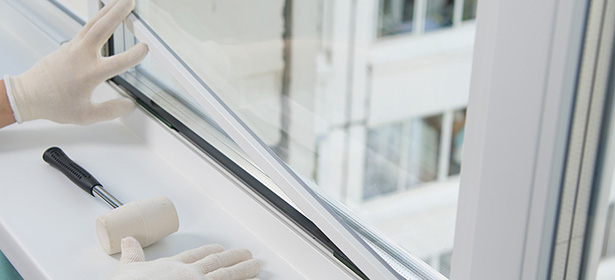
Double glazing, triple glazing or secondary glazing (only when you are replacing single glazing)
Energy efficient doors (only if you are replacing doors fitted before 2002)
Hot water tank thermostat or appliance thermostat
Hot water tank insulation
Smart heating controls,
zone controls,
thermostatic radiator valves (TRVs)
Draught proofing
When does the Green Homes Grant start? Homeowners and landlords can apply for the vouchers from the end of September 2020, when the scheme launches. The scheme will close at the end of March 2021, so you’ll need to act fairly quickly.
Who qualifies for the Green Homes Grant?
You must be a homeowner in England to qualify for the vouchers. Homeowners include owner-occupiers, social and private landlords and park home owners. New build homes are not eligible. Will the Green Homes Grant be means tested? All homeowners can apply for funding for at least two thirds of the cost of eligible home improvements, up to a total value of £5,000. Some homeowners will qualify for vouchers covering the total cost of home improvements, costing up to £10,000. For this, you will need to receive at least one of the following: Income-based Jobseeker’s Allowance (JSA) Income-based Employment & Support Allowance (ESA) Income Support (IS) Pension Guarantee Credit Working Tax Credit (WTC) Child Tax Credits (CTC) Universal Credit (UC) Disability Living Allowance (DLA) Personal Independence Payment (PIP) Attendance Allowance Carer’s Allowance Severe Disablement Allowance Industrial Injuries Disablement Benefit Contribution-based Jobseeker’s Allowance (JSA) Contribution-based Employment & Support Allowance (ESA) Housing Benefit

How much can I get in home improvement grants? The vouchers will pay for at least two thirds of eligible measures, up to the value of £5,000. For example, if you wanted to install insulation costing £4,000, you would pay £1,320 and the government would give you a voucher for the other £2,680. How much of a grant you can get for ‘secondary’ energy-efficient improvements depends on the amount you’ll get for the ‘primary’ measure (insulation or low carbon heating). For example, if you get £1,000 of vouchers for loft insulation, then you would be eligible for up to £1,000 of vouchers towards a secondary measure (such as double glazing or hot water tank insulation). Those on the lowest incomes won’t have to pay anything towards their home improvements and could get vouchers of up to £10,000. You’ll need to receive certain benefits to qualify (see above). Does the Green Homes Grant apply to Northern Ireland, Scotland and Wales? No, it’s available to homeowners in England only. Can I choose any trader to do Green Homes Grant work? Traders must be TrustMark approved or MCS registered to be able to do work in your home covered by the Green Homes Grant scheme. You will need to choose from the government’s list of accredited traders in your area. TrustMark is a government-endorsed scheme for tradespeople that vets their technical competence, customer service and trading practices. The Microgeneration Certification Scheme (MCS) certifies that low-carbon technologies that generate electricity and heat, and installers of them, meet quality standards. Check also that any trader you use is a Which? Trusted Trader to ensure that you’re using a firm that’s reputable and reliable. TrustMark and MCS both have lists of traders registered with their schemes so you can double check.
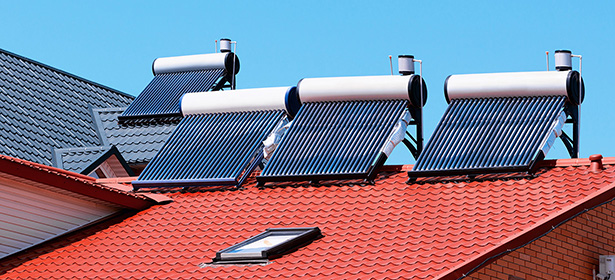
Can the Green Homes Grant be used for solar panels? Solar thermal panels are eligible for funding as part of the Green Homes Grant. Also called solar water heating, this uses panels on your roof to heat water to use around your home. Find out how much solar water heating costs. Solar photo-voltaic (PV) panels that produce electricity are not eligible for vouchers. Find out more about solar PV panels, including how much they cost and how to get paid for electricity you produce. Will the Green Homes Grant include boilers? No, the Green Homes Grant will not provide vouchers for boilers. However, vouchers are available for installing other types of low-carbon heating. Types included are air-source heat pumps, ground-source heat pumps and solar water heating. You must be installing a new low-carbon heating system, rather than replacing an existing one. If you’d like to replace your gas or oil boiler, check our boiler reviews
Is the Green Homes Grant for double glazing? You can get a voucher towards double glazing for your home, but certain conditions apply. You must be installing insulation or a renewable heating system as well in order to qualify for vouchers for double glazing. This is because the scheme is split into ‘primary’ and ‘secondary’ measures. You must install one of the first to be eligible for support for the second. Double glazing vouchers are only for homeowners replacing single glazing. If you want to replace existing double glazing you will not qualify. How to apply for Green Homes Grant vouchers Homeowners will need to complete an online application form, which will be available through the government’s Simple Energy Advice service when the scheme launches in September 2020. You will also be able to apply by post or phone if you can’t access the internet. First, you’ll need to choose from the list of ‘primary’ measures (insulation and low-carbon heating), get a quote from an accredited trader and have it approved before you get the voucher. You must choose from a list of registered tradespeople in your area to do the work. May sure you check that the supplier is a Which? Trusted Trader to make sure you’re getting an honest and reliable service. Vouchers will start to be issued in late September, after which work can begin. Can I get the Green Homes Grant for home improvement work done already? No. Vouchers will only be issued for work due to be completed once the scheme has begun.

Heat pumps and solar thermal: can I get Green Homes Grant vouchers and RHI payments? The Renewable Heat Incentive (RHI) gives financial support to people who use certain renewable technologies to heat their homes, including heat pumps and solar water heating. Whether or not you will be eligible for RHI payments if you received Green Homes Grant vouchers depends on how much of the cost of your low-carbon heating they covered. You won’t be eligible for RHI payments if Green Homes Grant vouchers covered the whole cost of your heating system and its installation. You will be able to join the RHI scheme if vouchers only paid for part of your renewable heating system. If you do so, you will have your RHI payments deducted by the amount of the grant that went towards your renewable heating system. BEIS told us that how much is deducted ‘will depend on individual circumstances and will be spread evenly across the lifetime of the RHI – up to seven years’. Find out more about the RHI scheme and how to apply. You’ll need to provide invoices and receipts of costs when you apply for the RHI so that Ofgem can factor these into your RHI payments. Installing low-carbon heating with the help of Green Homes Grant vouchers does not guarantee that your system will be eligible for RHI payments. BEIS said it ‘will ensure consistency with existing policies, for example the Microgeneration Certification Scheme, but it will be up to households to make sure they meet the eligibility requirements of one or both schemes once they are published’.